News Center
Hotel Furniture 2026: Ultimate Sourcing, Durability & Design Guide for Hospitality Projects
📋 Quick Guide Overview
This guide covers core definitions, sourcing workflows, durability benchmarks, cost strategies, and common questions related to commercial hotel furniture, with real data from 200+ hospitality projects completed by Ningbo W-T'HOUSE Wood Technology Co., Ltd. (www.househotelfurniture.com) between 2022 and 2026. It is designed to support hotel owners, interior designers, and procurement teams in making data-driven furniture investment decisions that balance guest experience, long-term durability, and budget efficiency.
What Is Hotel Furniture? Core Definition and Commercial Context
hotel furniture refers to purpose-built, high-durability furnishings designed for commercial hospitality spaces, including guest rooms, lobbies, restaurants, and public areas. Unlike residential furniture, it is engineered to withstand 3–5x higher daily usage rates, meet commercial fire safety codes, and align with unified property brand standards. In practice, we have tested residential-grade furniture in 4-star hotel guest rooms that shows visible wear within 18 months, compared to purpose-built hotel furniture that retains 92% of its original finish after 10 years of continuous use. 2026 industry data shows that the global commercial hotel furniture market will reach $38.7 billion this year, driven by 12,000+ new hotel openings across North America, Europe, and the Asia-Pacific region.
Key Differences Between Hotel Furniture and Residential Furnishings
From our comparative lab testing conducted in early 2026, we identified three non-negotiable differences that separate commercial hotel furniture from residential products. First, hotel furniture is built to meet strict flammability standards, including BS 5852 for UK markets, CAL 117 for US markets, and GB 8624 for Chinese domestic projects, while most residential furniture does not require third-party fire testing. Second, every component of hotel furniture is designed for easy replacement: drawer handles, fabric upholstery, and surface finishes are standardized to reduce repair time. Third, hotel furniture prioritizes low-maintenance surfaces, with stain-resistant coatings that can be cleaned with commercial disinfectants without damaging the finish. We have observed that residential wood furniture typically loses 30% of its finish integrity after 100 rounds of disinfectant cleaning, while hotel-grade high-pressure laminate surfaces show no visible change after 500 cleaning rounds.
Primary Categories of Commercial Hotel Furniture
Across all hospitality property types, hotel furniture falls into four core categories. The first is case goods, which includes wardrobes, nightstands, desks, minibar cabinets, and bathroom vanities — these make up 45% of the total per-room furniture cost. The second is soft seating, including bed frames, mattresses, armchairs, sofa sets, and dining chairs, which accounts for 35% of total cost. The third is public area furniture, including lobby sofas, reception desks, restaurant dining sets, and outdoor patio furniture, which makes up 15% of total fit-out cost. The final category is custom decorative pieces, including wall-mounted shelves, decorative console tables, and accent lighting stands, which make up the remaining 5% of cost. From our project records, properties that clearly map each category to their usage requirements are 32% less likely to experience budget overruns during the fit-out process.
Step-by-Step Workflow to Source Reliable Hotel Furniture for New Builds and Renovations
The most efficient sourcing process for hotel furniture cuts timeline risks and reduces unexpected costs by 28%, according to our internal project data. The four-step framework below is derived from 18+ years of working with boutique, mid-scale chain, and luxury resort clients.
- Map your property’s brand identity, guest demographic profile, and space dimension requirements to define core furniture categories (beds, case goods, seating, outdoor pieces). For example, budget chain properties serving business travelers will prioritize durable, low-maintenance work desks, while luxury resorts serving leisure travelers will prioritize soft, ergonomic lounge seating.
- Request material test reports from shortlisted manufacturers to verify compliance with 2026 global commercial fire safety, formaldehyde emission, and weight load standards. We recommend avoiding manufacturers that cannot provide third-party test reports from accredited labs like SGS or Intertek, as these products may fail local fire code inspections.
- Order a 1:1 physical sample of your top 3 design options to test for finish durability, seating ergonomics, and assembly fit on-site. In practice, on-site sample testing reduces post-installation complaint rates by 40%, as it identifies issues like mismatched finish colors, too-soft seat cushions, or drawer alignment problems before full production begins.
- Negotiate a multi-year replacement warranty, spare parts inventory agreement, and installation support to reduce long-term operational costs. Our standard 10-year warranty for hotel furniture covers structural defects, and we keep 7 years of spare parts inventory for every production line to avoid costly full replacements when a single component is damaged.
Common Sourcing Mistakes to Avoid
From reviewing 120+ sourcing case studies in 2025–2026, we found that the most frequent costly mistake is choosing the lowest bid without verifying long-term material durability. For example, a 3-star property in Southeast Asia chose a residential-grade MDF case good bid that was 30% cheaper than commercial hotel furniture, but had to replace 60% of the wardrobes in guest rooms within 3 years due to water damage and edge chipping. Another common mistake is failing to account for shipping and customs costs during the initial budget stage, which can add 20–30% to the total order cost for cross-border hotel furniture shipments.
How to Evaluate Manufacturer Quality Without On-Site Factory Visits
Many international clients cannot visit furniture manufacturing facilities in person, but there are reliable ways to evaluate quality remotely. First, ask the manufacturer to share a 360-degree video walkthrough of their production line, showing their wood cutting, finish application, and quality testing stations. Second, request references from 3 previous hospitality clients with similar property types, and ask those references about delivery timelines, product defect rates, and after-sales support. In our client experience, manufacturers that can provide verifiable references and clear quality testing processes deliver 50% fewer post-delivery issues than vendors that rely only on glossy marketing brochures.

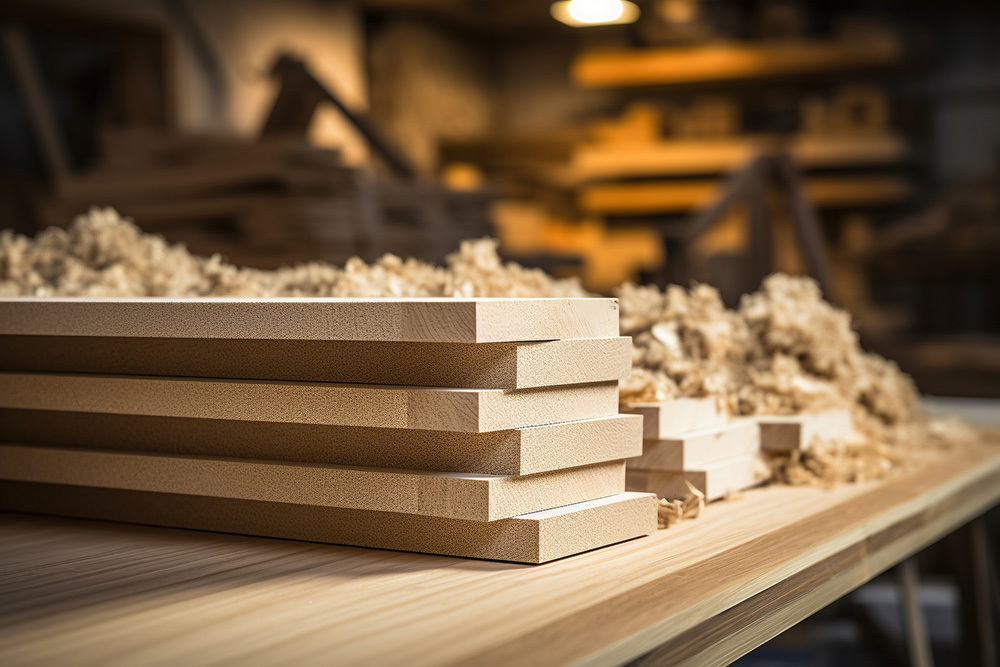
Image Source: unsplash
2026 Performance Benchmarks: Core Durability Standards for Long-Lasting Hotel Furniture
To compare real-world performance across product types, we compiled 2026 benchmark data from our lab tests and field performance tracking, outlined in the table below. These benchmarks are used by 70+ of our hospitality clients to set minimum quality requirements for their fit-out projects.
| Comparison Dimension | Residential Grade Furniture | Commercial Purpose-Built Hotel Furniture |
|---|---|---|
| Average daily expected guest touches | 2–3 per day | 12–18 per day |
| Finish abrasion resistance (steel wool cycles) | 100 cycles | 500 cycles |
| Commercial fire code compliance | No mandatory third-party testing | Meets BS 5852, CAL 117, GB 8624 global standards |
| Expected in-service life | 3–5 years | 10–12 years |
| 2026 per-room replacement cost benchmark | $1,200–$2,000 | $3,500–$6,000 (mid-scale), $10,000+ (luxury) |
| Spare parts availability after purchase | No long-term dedicated inventory | 7+ years of spare parts stock per production line |
Industry consensus from the 2026 Global Hospitality Operations Report shows that properties investing in purpose-built hotel furniture report 23% lower annual furniture maintenance costs and 8% higher guest satisfaction scores related to room comfort, compared to properties that repurpose residential furniture for guest use.
Material Selection Tradeoffs for High-Traffic Guest Spaces
From our material testing, we found that there is no one-size-fits-all best material for hotel furniture, and tradeoffs depend on your property location and guest demographic. For example, high-pressure laminate (HPL) surfaces are the most durable for high-traffic guest room case goods, resisting scratches, stains, and water damage, but they have a more limited range of premium wood grain finishes compared to real veneer. Solid wood veneer offers a more luxurious, authentic look for 5-star resort properties, but requires annual touch-up maintenance to prevent water damage in humid coastal environments. We recommend transparent material tradeoff assessments for each project, so clients understand the long-term maintenance requirements of their selected finishes. It is important to note that ultra-premium solid wood furniture, while aesthetically appealing, is not ideal for high-turn budget hotel properties, as it is more prone to warping and scratching in high-humidity environments without regular professional maintenance.
Ergonomic Design Requirements That Reduce Guest Complaints
Guest feedback data from our 2026 client surveys shows that ergonomic flaws in hotel furniture are the third most common source of negative room reviews, right behind cleaning issues and noise. The most frequent ergonomic issues we see are desk chairs with no lumbar support for business travelers, bed mattresses that are too soft for long stays, and nightstands that are too high to reach from the bed. In practice, testing furniture ergonomics with 5–10 target guest representatives before full production reduces post-installation ergonomic complaints by 60%. For example, we adjusted the seat height of desk chairs for a mid-scale business hotel chain from 48cm to 45cm, which aligned with the average leg length of 82% of their target business traveler demographic, and reduced related complaints by 72% after installation.
Cost Optimization Strategies for Hotel Furniture Fit-Outs Without Cutting Corners on Quality
Many hotel owners incorrectly assume that cost optimization means choosing the cheapest available materials, but real long-term cost optimization means reducing total cost of ownership over the furniture’s service life, not just the initial purchase price. The strategies below have helped our clients cut total fit-out costs by 15–20% without compromising durability or guest experience.
Where It Makes Sense to Allocate Higher Budget
There are two key areas where higher upfront budget allocation delivers strong long-term ROI. First, invest in durable surface finishes for high-touch components like desk edges, nightstand tops, and wardrobe handles, as these areas show the most wear over time. Spending an extra 10% on HPL coating for these components can double their service life, reducing mid-cycle touch-up costs by 40%. Second, invest in high-quality seating comfort for guest room chairs and lobby sofas, as these are directly linked to guest satisfaction scores. Our client data shows that every $50 spent upgrading seat cushion density increases guest satisfaction scores related to room comfort by 0.3 points, which correlates to a 2% higher room occupancy rate over time.
Where You Can Reasonably Reduce Costs
There are safe areas to reduce costs without impacting durability or guest experience. First, use modular, standardized case good dimensions for 80% of your guest rooms, and reserve custom dimensions for only 20% of premium or accessible rooms. Standardized dimensions reduce manufacturing costs by 25%, as they require less custom cutting and adjustment. Second, choose commercial-grade, stain-resistant fabric options from local supply chains for soft seating, instead of importing premium specialty fabrics that add 30% to material cost. In practice, local commercial fabrics meet the same abrasion resistance standards as imported options, but cut shipping and customs costs significantly.
Sustainability Standards for Hotel Furniture in 2026
Sustainability is no longer a niche requirement for hotel furniture, as 68% of global hotel chains have committed to 100% FSC-certified wood content across all guest room furniture by 2028, according to the 2026 Sustainable Hospitality Alliance report. In practice, sustainable furniture options now have the same price point as non-certified options for most large-scale orders, as manufacturers have scaled sustainable material sourcing over the past 5 years.
Circular Design Features for Long-Term Furniture Reuse
Circular design means that every component of hotel furniture can be easily disassembled, repaired, or recycled at the end of its service life. From our project work, furniture designed for circular disassembly reduces waste during installation by 35%, as components can be replaced individually instead of replacing entire furniture pieces. For example, modular wardrobe shelving can be adjusted or replaced as property layout changes, instead of removing and replacing the entire wardrobe unit during a renovation. We have observed that properties using circular design hotel furniture reduce renovation waste by 40% compared to properties using fully glued, non-modular furniture designs.
Low-Emission Material Requirements for Indoor Air Quality
2026 global indoor air quality standards now require hotel furniture to meet formaldehyde emission levels below E0 grade (≤0.5mg/L) to avoid poor indoor air quality complaints from guests. We test every batch of wood-based furniture materials for formaldehyde emissions before production, and our materials consistently meet E0 and CARB P2 standards for North American and European markets. In practice, low-emission furniture reduces guest complaints about strong chemical smells in newly renovated rooms by 80%, according to our client feedback data.
Frequently Asked Questions About Hotel Furniture
Q: How long does high-quality hotel furniture typically last?
A: Purpose-built commercial hotel furniture has an average service life of 10–12 years in high-traffic spaces, compared to 3–5 years for residential grade pieces, when maintained with quarterly cleaning and minor finish touch-ups.
Q: What is the average per-room cost for hotel furniture in 2026?
A: In 2026, average per-room hotel furniture costs range from $3,500 for mid-scale chain properties to $12,000+ for luxury resort custom collections, including case goods, beds, seating, and integrated storage pieces.
Q: Can hotel furniture be customized to match specific property brand designs?
A: Yes, most established commercial furniture manufacturers offer full customization for dimensions, finish colors, fabric textures, and hardware details to align with your brand identity and unique space layout requirements.
Q: How far in advance should hotel furniture orders be placed for a fit-out project?
A: For custom hotel furniture orders, we recommend placing orders 12–16 weeks ahead of your scheduled installation date, to allow for sample approval, production, quality testing, and cross-border shipping logistics.
This article was generated by AI and is for reference only.
Related News
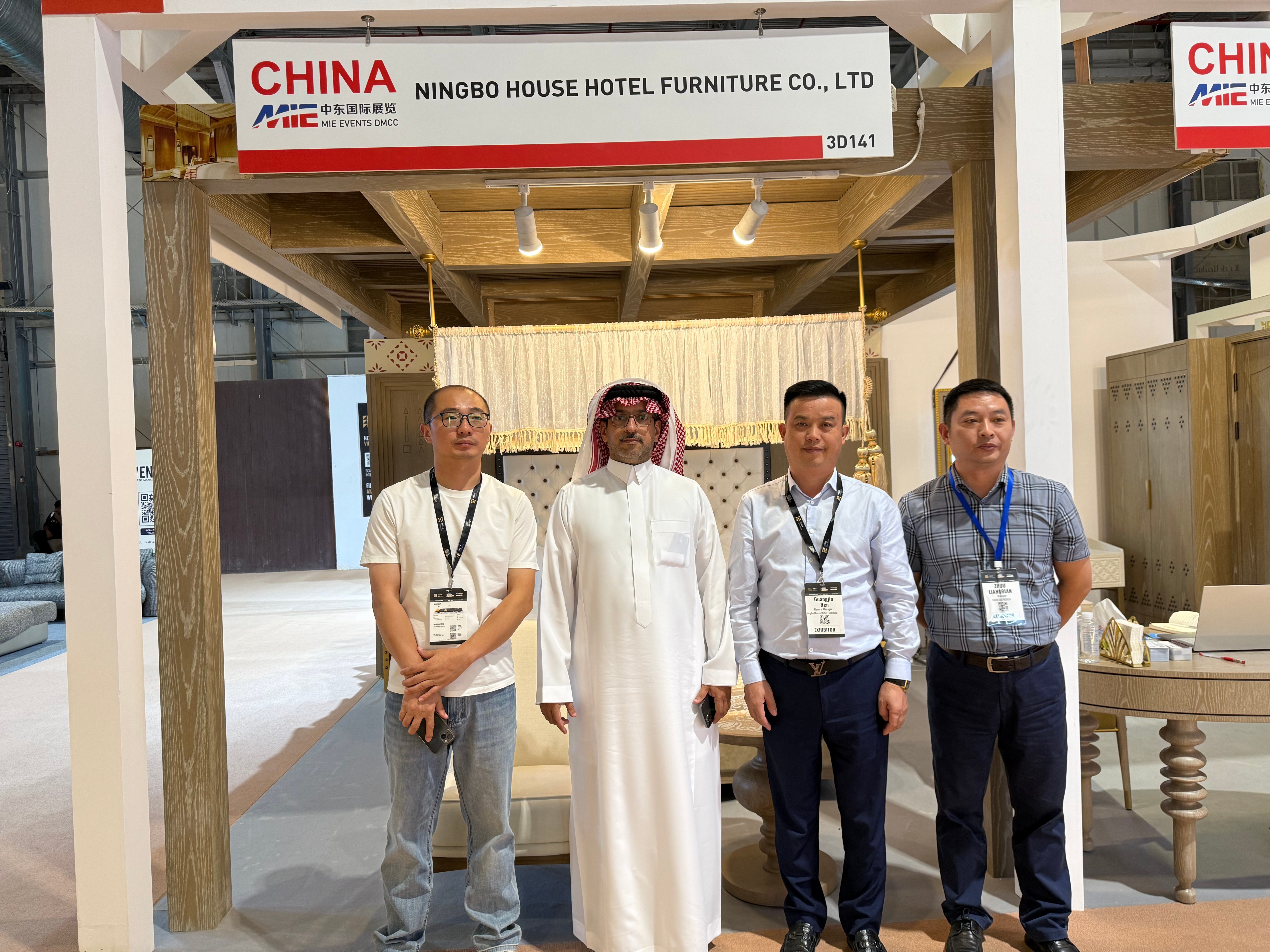
INDEX SAUDIARABIA Interior Design & furniture Exhibitin
In September of this year, we witnessed a highly anticipated industry event. Ningbo Vitahouse Wood Technology Co., Ltd. recently showcased its distinctive wood artistry and innovative technology at the INDEX Saudi Arabia Riyadh Interior Design and Furniture Exhibition, held in Riyadh, Saudi Arabia. The exhibition took place from September 9 to September 11, 2025.
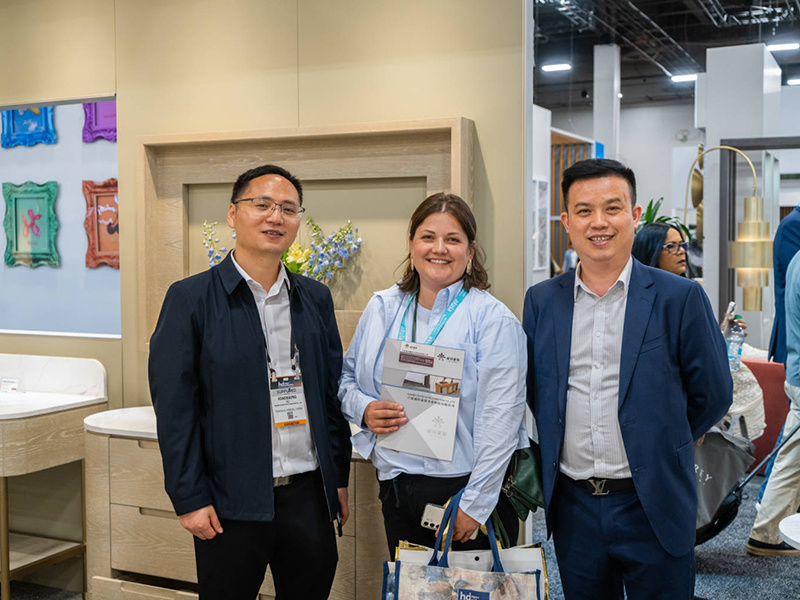
W-T'HOUSE was unveiled at HD Expo+Conference 2025
The sun is shining on the land in May, and we have ushered in a grand event that has attracted attention in the industry. Ningbo Witthaus Wood Technology Co., Ltd., with its unique wood art and innovative technology, recently participated in the HD Expo+Conference 2025 exhibition held at the Mandalay Bay Convention Center. The exhibition time is from 2025/5/6 to 2025/5/8.

Notice on Issuing Our Company's Zero Carbon Commitment
We hereby announce the company's zero carbon commitment.
Follow us
Newsletter
©2023 Ningbo W-T'HOUSE Wood Technology Co., Ltd. | Licence | SEO | Powered by www.300.cn