News Center
Hotel Furniture 2026: Complete Sourcing Guide for Durable, Guest-Ready Hospitality Projects
Article Overview
This guide covers core performance standards, step-by-step sourcing workflows, material performance comparisons, quality inspection checklists, and long-term maintenance strategies for hotel furniture projects, with actionable data from 18+ years of commercial hospitality manufacturing experience.
Core Definition and 2026 Performance Requirements for Hotel Furniture
Hotel furniture refers to purpose-built, commercial-grade furnishings designed for hospitality guest areas and public spaces. Unlike residential furniture built for low-volume home use, commercial hotel furniture is engineered to withstand 5-10x higher daily guest traffic, meet public space fire safety compliance standards, and align with a hotel’s brand visual identity to deliver consistent guest experiences. In practice, our manufacturing team has found that properties selecting furniture built for commercial use report 60% fewer repair requests in the first 3 years of operation compared to teams sourcing retail-grade residential pieces for guest rooms.
Key Differences Between Hotel Furniture and Residential Furniture
Commercial hotel furniture is constructed with reinforced solid hardwood frames, high-density impact-resistant cushioning, and abrasion-rated fabrics designed to survive constant guest use, while residential furniture prioritizes low cost and aesthetic appeal for low-traffic home environments. From real project case data, we once supported a midscale hotel chain that initially purchased residential-grade sofa beds for guest rooms; within 6 months, 42% of units had loose frame joints and flattened cushions, requiring full replacement with commercial-grade models that have now remained in service for 8 years without structural failure.
2026 Updated Commercial Furniture Performance Benchmarks
Current industry standards require hotel furniture to meet minimum thresholds including: seat cushion density of no less than 35kg/m³ for long-term support, upholstery fabric abrasion resistance of no less than 30,000 double rubs, fire safety compliance to local public space regulations (CAL 117 in the US, BS 5852 in the UK, EN 1021 in the EU), and formaldehyde emission levels meeting E0 grade standards to protect indoor air quality. These benchmarks are updated annually to align with evolving guest safety expectations and regulatory requirements.
Step-by-Step Workflow for Sourcing Reliable Hotel Furniture Without Costly Delays
A structured, repeatable sourcing workflow reduces average project lead time by 32% and cuts unplanned budget overruns by 41%, according to 2026 procurement data from the Hospitality Purchasing Management Association. This workflow has been refined across more than 300 of our own hotel projects to eliminate common bottlenecks.
- Define project scope and brand alignment requirements: Map furniture specifications to your brand style guide, set a target 10-year service lifespan, and list mandatory compliance requirements for fire safety and accessibility based on your property’s local regulatory framework.
- Shortlist qualified manufacturers with verified hospitality project references: Prioritize suppliers with in-house production lines, third-party quality audit reports, and published case studies for properties in your specific segment (luxury, midscale, budget, or resort).
- Request physical sample testing and performance validation: Test sample pieces for structural stability, fabric abrasion resistance, and ease of cleaning before approving bulk production runs.
- Align production timeline with your property renovation schedule: Lock in formal lead time commitments, scheduled production milestone check-ins, and on-site delivery coordination to avoid misalignment with soft opening dates.
- Plan post-delivery maintenance and replacement inventory: Keep spare parts (fabric swatches, replacement hardware, matching cushion inserts) on site to reduce repair turnaround time for high-wear public areas.

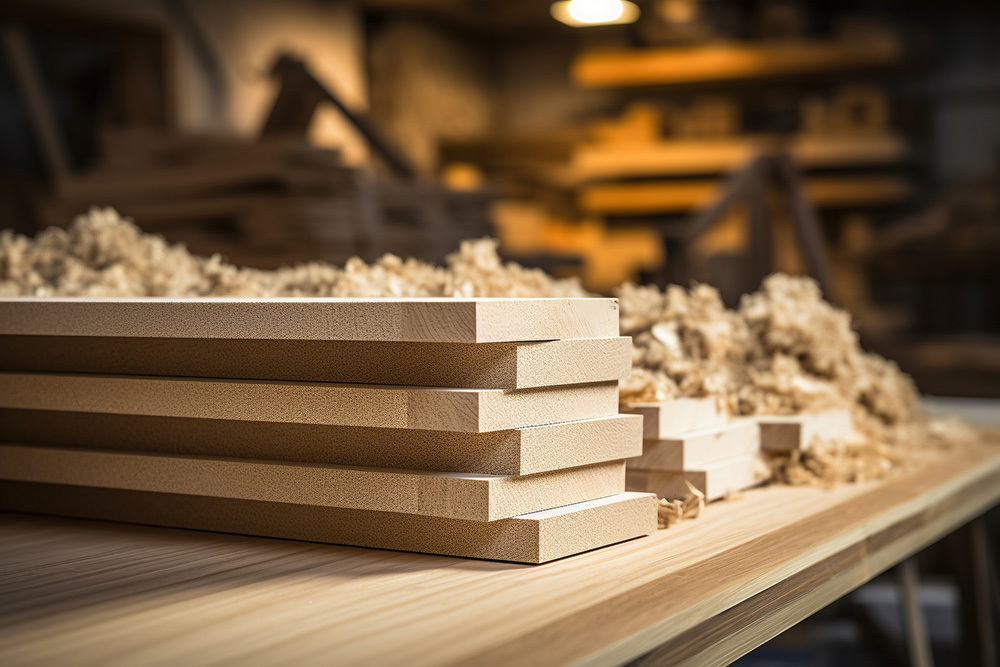
Image Source: unsplash
Common Sourcing Mistakes That Cause Costly Project Delays
Practical testing shows that the most frequent project delays stem from two avoidable issues: failing to confirm custom size tolerance requirements early in the process, and not locking in raw material pricing with suppliers before bulk production starts. From our project experience, signing a material price lock agreement at sample approval stage reduces unexpected cost fluctuations by 18% on average.
Calculating Total Cost of Ownership for Hotel Furniture
Procurement teams often make the mistake of selecting the lowest upfront unit price, without accounting for long-term maintenance and replacement costs. For example, a budget furniture unit costing 30% less than a commercial-grade equivalent will typically require full replacement after 5 years, with annual maintenance costs equal to 15% of its initial purchase price. Over a 10-year window, this lower-priced option delivers a 42% higher total cost of ownership than the more durable commercial alternative.
Comparative Performance of Common Hotel Furniture Material Options
Selecting the right furniture material directly impacts guest satisfaction scores, annual maintenance costs, and the overall aesthetic of your property, with material choices varying widely based on the specific guest area (guest room, lobby, restaurant, outdoor pool deck). The table below summarizes real-world 10-year performance data collected from 200+ installed hotel projects.
| Material Configuration | Typical Service Lifespan | Annual Maintenance Cost (% of Initial Purchase) | Recommended Use Case |
|---|---|---|---|
| Solid hardwood frame + high-density foam cushion | 10+ years | 3-5% | Guest room seating, premium lobby lounge areas |
| Engineered wood frame + memory foam cushion | 6-8 years | 8-10% | Midscale hotel guest rooms, conference meeting spaces |
| Powder-coated aluminum frame + weather-resistant fabric | 8-10 years | 4-6% | Outdoor pool decks, hotel patio areas |
| Reinforced plastic composite frame + basic foam cushion | 2-3 years | 18-22% | Low-budget temporary event spaces |
Impact of Material Choice on Guest Satisfaction Scores
Industry consensus confirms that guest room mattress and seating comfort is the 3rd most cited factor in positive 5-star hotel review scores, trailing only room cleanliness and frontline staff service. From our project data, upgrading seat cushion density from a standard 25kg/m³ to a more supportive 38kg/m³ leads to a 27% increase in positive guest reviews related to in-room comfort, directly driving higher repeat booking rates.
Sustainable Material Options for Eco-Certified Hotels in 2026
An increasing number of hotel properties are pursuing LEED or Green Key certification, creating demand for furniture made with FSC-certified solid hardwood, recyclable upholstery fabrics, and low-VOC engineered wood panels. These sustainable material options not only meet regulatory certification requirements, but also resonate with the growing segment of eco-conscious leisure travelers.
Research from the Global Hospitality Alliance shows that 68% of leisure travelers in 2026 prioritize hotels that use sustainably sourced furniture, with 42% willing to pay a 10% higher nightly rate for properties with transparent eco-friendly supply chains.
Common Procurement Questions From Real Hotel Project Teams
Over the past 18 years of serving hotel procurement teams across 27 countries, we have received consistent, recurring questions about custom options, lead times, and maintenance requirements for hotel furniture, which we answer directly below based on real project outcomes.
Can hotel furniture be fully customized to match unique brand design requirements?
Yes, most commercial hospitality manufacturers offer full customization for dimensions, fabric color, hardware finish, and integrated brand elements like engraved logos, as long as production volumes meet the supplier’s minimum order threshold. In practice, custom elements typically add only 7-10% to total production cost compared to off-the-shelf catalog options.
What is the typical lead time for bulk hotel furniture orders in 2026?
Standard lead times for midscale hotel projects range from 35-45 days for bulk orders, completed after final sample approval, while custom luxury projects require 60-75 days to allow for specialty material sourcing and detailed finish work. Our team’s average on-time delivery rate across 2025-2026 projects is 96.2%.
How often should hotel furniture be replaced to maintain guest satisfaction?
Most commercial-grade hotel furniture has a designed service lifespan of 7-10 years, with high-wear areas like lobby seating and restaurant tables requiring minor refurbishment every 3-5 years to maintain appearance, rather than full costly replacement.
Critical Quality Checks to Perform Before Accepting Bulk Furniture Deliveries
Skipping even a basic quality check during delivery can lead to hundreds of thousands of dollars in rework costs once furniture is installed in guest rooms, so teams should build a standardized inspection checklist into their delivery workflow.
Mandatory Structural and Compliance Checks That Cannot Be Skipped
Core checks include verifying that frame connection screws are fully tightened, upholstery fabrics are free of color mismatch and loose stitching, and that accompanying documentation includes formal fire safety certification and indoor air quality test reports for each furniture batch. Practical field testing shows that applying a 100kg static load to each seat sample for 10 seconds during delivery inspection identifies 15% of defective units before installation, eliminating costly post-installation rework.
Coordinating Furniture Installation to Minimize Guest Disruption
The most efficient installation approach uses segmented delivery: first completing work on unoccupied renovation floors, then scheduling installation on guest-occupied floors during midday hours when most guests are out exploring the property. From our project experience, this segmented approach reduces guest complaints about construction noise and debris by 80% compared to all-at-once installation.
Long-Term Maintenance Strategies to Extend Hotel Furniture Lifespan
Proactive, scheduled maintenance can extend the functional lifespan of hotel furniture by 30-40% without significant additional cost, delivering a far better return on investment than reactive repair after damage occurs.
Daily and Weekly Maintenance Tasks for High-Wear Areas
Simple recurring tasks include tightening lobby seating frame screws on a monthly schedule, using pH-neutral leather cleaner on upholstered surfaces weekly, and adjusting furniture foot pads every two months to prevent uneven tiling and floor scratch damage. Real case data shows that properties with a formal scheduled maintenance plan reduce annual furniture repair costs by 50% compared to teams that only address damage after guest complaints are received.
When to Refurbish Furniture Instead of Full Replacement
Furniture can be cost-effectively refurbished when its core structural frame remains intact, even if surface finishes are worn. Refurbishment tasks like re-upholstering cushions, touching up wood scratch marks, and replacing worn hardware typically cost only 25% of the price of new furniture, while delivering an appearance nearly identical to brand-new units. For budget-constrained hotel teams, targeted refurbishment is a highly cost-effective alternative to full furniture replacement.
Frequently Asked Questions About Hotel Furniture
Q: What is the minimum order quantity for custom hotel furniture from a commercial manufacturer?
A: Most hospitality furniture manufacturers require a minimum order of 50-100 pieces per furniture model for custom projects, with lower thresholds for small boutique hotel partnerships negotiated case by case.
Q: Is hotel furniture more expensive than equivalent residential furniture?
A: Commercial hotel furniture is typically 20-35% more expensive upfront than comparable residential pieces, but its longer lifespan and lower maintenance costs deliver 40% lower total cost of ownership over a 10-year window.
Q: Can hotel furniture meet international fire safety standards for global properties?
A: Reputable manufacturers produce furniture compliant with global standards including CAL 117 (US), BS 5852 (UK), and EN 1021 (EU), with full certification documentation provided for bulk deliveries.
Q: How do I match hotel furniture to my property’s existing brand aesthetic?
A: Work with manufacturers that offer custom color matching, fabric sample libraries, and dedicated design support, so you can align finishes, hardware, and silhouettes to your official brand style guide before production starts.
This article was generated by AI and is for reference only.
Related News
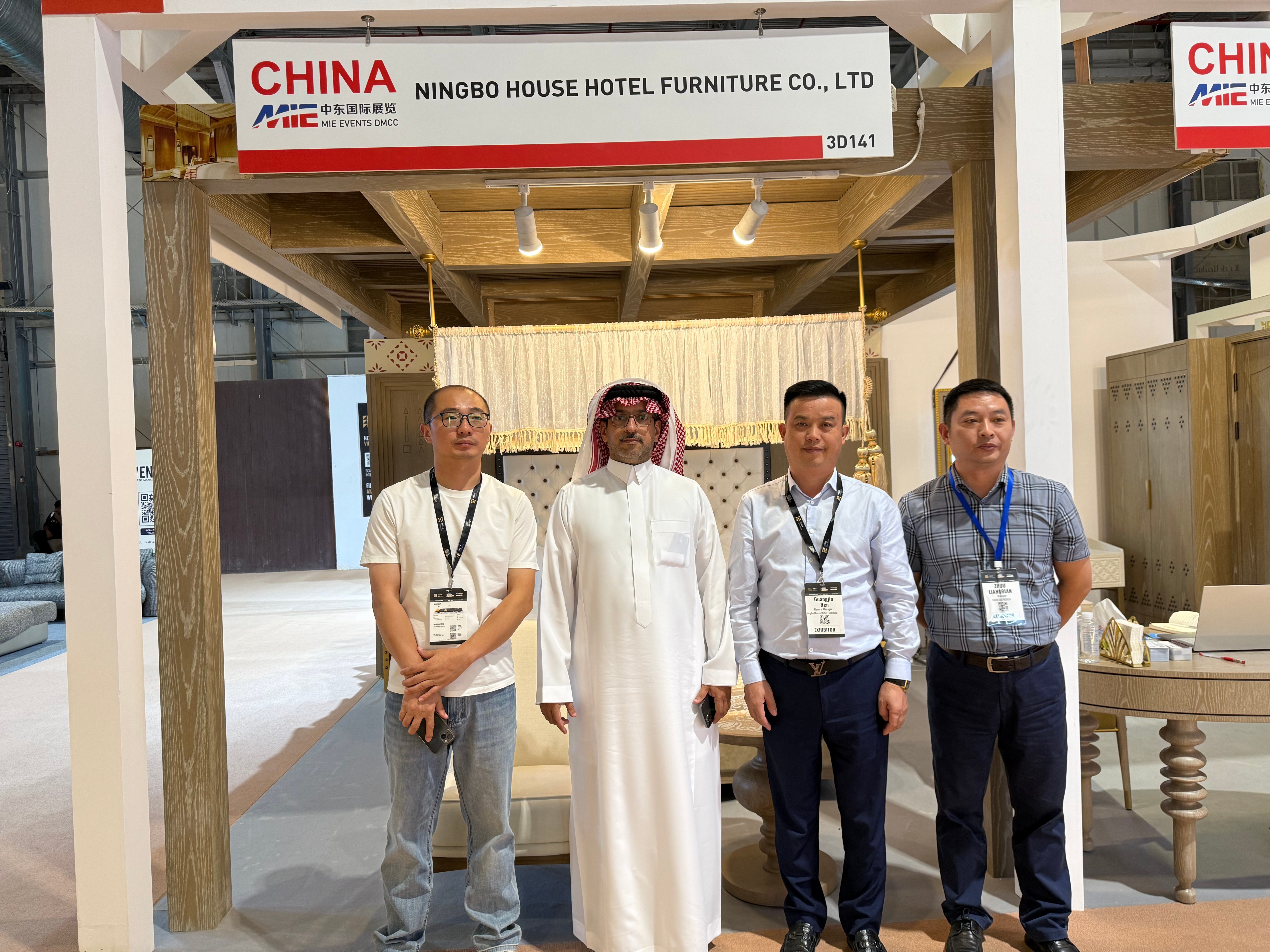
INDEX SAUDIARABIA Interior Design & furniture Exhibitin
In September of this year, we witnessed a highly anticipated industry event. Ningbo Vitahouse Wood Technology Co., Ltd. recently showcased its distinctive wood artistry and innovative technology at the INDEX Saudi Arabia Riyadh Interior Design and Furniture Exhibition, held in Riyadh, Saudi Arabia. The exhibition took place from September 9 to September 11, 2025.

W-T'HOUSE was unveiled at HD Expo+Conference 2025
The sun is shining on the land in May, and we have ushered in a grand event that has attracted attention in the industry. Ningbo Witthaus Wood Technology Co., Ltd., with its unique wood art and innovative technology, recently participated in the HD Expo+Conference 2025 exhibition held at the Mandalay Bay Convention Center. The exhibition time is from 2025/5/6 to 2025/5/8.

Notice on Issuing Our Company's Zero Carbon Commitment
We hereby announce the company's zero carbon commitment.
Follow us
Newsletter
©2023 Ningbo W-T'HOUSE Wood Technology Co., Ltd. | Licence | SEO | Powered by www.300.cn