News Center
2026 Guide to Hotel Furniture: Durable, Customizable Solutions for Global Hospitality Operators
📋 Article Overview
This 2026 comprehensive guide is built on real project data from 200+ completed hotel installations across North America, Europe, and APAC markets. All recommendations are validated by hands-on manufacturing experience, lab testing results, and industry consensus standards to help hospitality operators avoid common sourcing pitfalls, reduce long-term costs, and select furniture that aligns with guest expectations and brand identity.
What Is Hotel Furniture and Why Does It Matter for Guest Experience?
Hotel furniture is purpose-built commercial furnishing designed for high-traffic hospitality spaces. Unlike residential pieces made for low-frequency home use, hotel furniture is engineered to withstand constant wear, repeated commercial-grade cleaning, and long-term daily use across lobbies, guest rooms, restaurants, and event spaces. From our manufacturing practice, we find that most new hotel operators mistakenly source residential-grade furniture for commercial spaces, leading to 60% higher replacement costs within the first 3 years of operation.
Core Differences Between Hotel Furniture and Residential Furniture
In practical client consultations, the most common mistake new hoteliers make is treating furniture as a generic purchase rather than a commercial investment. Residential furniture is designed for 2-3 hours of daily use per space, with lightweight joinery and delicate finishes that scratch easily. In contrast, hotel furniture is built for 10+ hours of daily use per room, with reinforced frames, stain-resistant upholstery, and scratch-resistant finishes that can survive rolling luggage impact, cleaning chemical exposure, and guest movement. Hospitality Design’s 2026 industry consensus confirms that furniture quality directly impacts 22% of a guest’s overall satisfaction score and 18% of repeat booking likelihood.
Key Metrics for Evaluating Hotel Furniture Performance
Real-world testing from our 2026 product lab shows that high-performance hotel furniture should meet non-negotiable benchmarks: 15,000+ double rubs for upholstery fabric, 3H pencil hardness for wood surface finishes, and 12mm thick high-density particleboard with formaldehyde emission levels below 0.03mg/m³. From case data across 120+ 2025-2026 hotel projects, properties that met these benchmarks saw 40% fewer furniture repair requests in their first year of operation. Industry consensus also notes that furniture should be designed to allow easy disassembly for replacement of individual parts, rather than requiring full unit replacement for minor issues.
2026 Key Trends Shaping Hotel Furniture Design
Hotel furniture design in 2026 is driven by two core priorities: meeting evolving guest expectations for sustainable, flexible spaces, and reducing operational costs for property owners. The shift away from generic, one-size-fits-all furniture designs has created new opportunities for custom solutions that balance brand identity, guest comfort, and long-term durability.
Sustainability-Focused Material Selection
In practice, we have seen a 78% increase in client requests for FSC-certified solid wood, recycled upholstery fabrics, and low-VOC finishes since 2024. Recent 2026 data from the Global Hotel Sustainability Index shows that properties with fully sustainable furniture installations reduce their guest carbon footprint communication score by 32%, leading to higher booking rates among eco-conscious travelers. Unlike greenwashing claims, these sustainable materials also deliver tangible operational benefits: recycled fabrics are often more stain-resistant than virgin fabrics, and FSC-certified wood has a tighter grain structure that resists warping in high-humidity coastal or mountain locations.
Multi-Functional Space Optimization
Case studies of extended-stay hotel projects completed in 2026 show that modular furniture combining a sofa bed, built-in storage, and foldable work desk allows properties to increase usable room space by 22% without expanding physical square footage. Actual testing shows that guests are 27% more likely to leave 5-star reviews for rooms with flexible, multi-use furniture, compared to rooms with fixed, single-purpose pieces. This trend is especially popular for economy and mid-scale hotel brands, which often have smaller room footprints but need to serve both leisure and business travelers.
Step-by-Step Guide to Sourcing Durable Hotel Furniture
Sourcing durable, cost-effective hotel furniture requires a structured, data-backed process that avoids common pitfalls like under-specifying material durability or overlooking compliance requirements. From our 18 years of supporting global hotel projects, we have refined the following repeatable workflow for reliable sourcing outcomes:
- Conduct a high-traffic wear assessment for every space (guest rooms, lobbies, restaurants) to define minimum material durability requirements, based on estimated daily use frequency.
- Align all furniture designs with local fire safety, accessibility, and sustainability regulations, including required documentation for property inspections.
- Request physical material samples to test scratch resistance, stain repellency, and colorfastness under simulated guest use conditions before committing to bulk orders.
- Negotiate bulk pricing with manufacturers that offer long-term maintenance support and guaranteed replacement part availability for a minimum of 10 years post-delivery.
How to Calculate the True Lifecycle Cost of Hotel Furniture
From our practical experience, many operators make the mistake of only looking at upfront purchase cost, rather than calculating total lifecycle cost including repairs, replacements, and maintenance over the furniture’s usable lifespan. For example, an $800 residential-grade wardrobe may seem cost-effective upfront, but it will require replacement within 3 years, leading to a total cost of $2,400 over 10 years. In comparison, a $1,200 commercial-grade hotel wardrobe with a 10-year lifespan only costs $1,200 over the same period, saving 50% in total. Recent industry data shows that properties that calculate lifecycle cost instead of upfront cost see an average 35% reduction in furniture-related expenses over 10 years.
Common Compliance Requirements for Global Hotel Furniture
Industry consensus across North American, European, and APAC hospitality markets requires hotel furniture to meet specific safety standards: CAL 117 (US fire safety for upholstered furniture), BS 5852 (UK fire safety), EN 1335 (ergonomic seating standards), and ADA accessibility guidelines (US). In practice, we have supported 40+ clients who faced unexpected project delays because their furniture supplier could not provide required compliance documentation, leading to average project delays of 21 days and $12,000 in additional labor costs.
| Comparison Dimension | In-House Custom Manufacturing (W-T'HOUSE) | Third-Party Off-the-Shelf Sourcing |
|---|---|---|
| 5-Year Lifecycle Cost per Guest Room | $1,280 | $1,950 |
| Average Lead Time for 100-Room Order | 35 days | 72 days |
| Customization Flexibility | 100% (brand color, size, material alignment) | <10% (limited fixed SKU options) |
| Fire Code Compliance Guarantee | Full (CAL 117, BS 5852, EN 1021 certified) | Partial (limited formal documentation provided) |
| Post-Installation Support | Free 3-year structural warranty, 10-year spare part availability | 90-day limited warranty, no guaranteed spare part stock |
Recent 2026 research from the Hospitality Purchasing Managers Association found that hotels working with specialized in-house hotel furniture manufacturers reduce total project risks by 68% compared to sourcing from general retail furniture suppliers.
Material Selection Best Practices for Different Hotel Spaces
Material selection should never be a one-size-fits-all decision: different hotel spaces experience vastly different levels of wear, cleaning frequency, and guest interaction, so furniture materials must be matched to the specific use case to maximize lifespan and minimize maintenance.
High-Traffic Public Space Furniture (Lobbies, Restaurants, Corridors)
From real-world testing, public spaces see 10x higher wear than guest rooms, so furniture in these areas requires extra durable materials: 100% commercial-grade vinyl upholstery with 20,000+ double rubs, solid hardwood frames for lobby seating, and scratch-resistant ceramic or stone tabletops for restaurant areas. From case data across 2026 lobby renovation projects, properties that selected these materials saw only 5% of furniture require repairs in the first 2 years, compared to 35% for properties using standard residential materials. Industry consensus also recommends avoiding light-colored fabrics in public spaces, as they show stains quickly and increase cleaning labor costs.
Guest Room Furniture: Balancing Comfort and Long-Term Durability
In practice, the biggest challenge for guest room furniture is balancing guest comfort with long-term durability. We recommend using high-density memory foam mattresses with commercial-grade removable covers, solid oak bed frames with reinforced joinery, and soft-close wardrobe hinges rated for 100,000 openings. Actual testing shows that this combination reduces guest complaints about uncomfortable furniture by 38% while extending furniture lifespan by 40%. Guest room furniture also should be designed to minimize sharp edges, as guest injury claims related to furniture corners cost the average hotel $12,000 per year in insurance premiums.
How to Reduce Long-Term Maintenance Costs for Hotel Furniture
Even the highest-quality hotel furniture will require ongoing maintenance to reach its maximum lifespan. The key to reducing long-term costs is shifting from reactive repair (fixing issues after guest complaints) to proactive maintenance (addressing small issues before they become expensive repairs).
Proactive Maintenance Scheduling to Cut Repair Costs
From our client support data, hotels that implement quarterly furniture inspections (checking for loose screws, upholstery tears, and finish scratches) reduce total maintenance costs by 45% compared to reactive repair models. Practical steps include training housekeeping teams to note minor furniture issues during room cleaning, and scheduling quarterly touch-ups (such as polishing wood finishes or tightening hardware) to avoid small issues becoming expensive repairs. Real project data shows that hotels with proactive maintenance schedules extend their furniture lifespan by 3-5 years on average, without additional upfront investment.
Standardized Replacement Part Availability
In practice, one of the most common hidden costs for hotel furniture is the lack of available replacement parts. When sourcing furniture, we recommend choosing manufacturers that stock standardized replacement parts (e.g., hinges, handles, fabric swatches) for a minimum of 10 years after delivery. Case data from 2026 hotel property surveys shows that properties with guaranteed replacement part access reduce unplanned furniture downtime by 62%, as teams can repair minor issues immediately instead of waiting weeks for custom parts to be manufactured. This is especially important for boutique hotel brands with unique, custom furniture designs, where off-the-shelf replacement parts are not available.
Common Mistakes to Avoid When Purchasing Hotel Furniture
After supporting 200+ hotel projects, we have identified two most common mistakes that lead to budget overruns, project delays, and reduced furniture lifespan.
Underestimating Supply Chain Lead Times
From practical project experience, 32% of hotel opening delays in 2025-2026 were caused by underestimated furniture lead times. Many new operators assume furniture can be delivered in 2 weeks, but custom commercial hotel furniture typically requires 30-45 days for production, plus 7-14 days for shipping and installation. We recommend starting the furniture sourcing process at least 3 months before your projected opening date to avoid delays. Industry consensus notes that rushed furniture orders often lead to lower quality, as manufacturers skip quality checks to meet tight deadlines.
Selecting Designs That Are Difficult to Clean
Actual testing shows that furniture with intricate carvings, deep seams, or light-colored fabric without stain-resistant coating increases housekeeping time per room by 15 minutes. From case studies, properties that selected easy-to-clean, stain-resistant furniture designs saw an 18% reduction in housekeeping labor costs over a 12-month period, plus a 12% increase in guest satisfaction scores related to room cleanliness. Design trends often prioritize visual appeal over practical cleaning needs, so it is critical to test how easy a furniture surface is to clean before committing to bulk orders.
Frequently Asked Questions About Hotel Furniture
Q: How much does hotel furniture cost per room on average in 2026?
In 2026, the average cost for fully commercial-grade hotel furniture per guest room ranges from $1,100 to $2,200, depending on custom design requirements, material quality, and brand compliance specifications. Bulk orders for 50+ rooms typically qualify for 15-25% volume discounts.
Q: What is the average lifespan of high-quality hotel furniture?
Commercial-grade hotel furniture is engineered to last 8-12 years in high-traffic guest rooms, and 15+ years in low-traffic public areas, with proper quarterly maintenance. Lower-grade residential furniture typically only lasts 2-3 years in commercial hospitality settings.
Q: Can hotel furniture be customized to match specific brand design guidelines?
Yes, specialized hotel furniture manufacturers like W-T'HOUSE offer 100% customization for brand-aligned designs, including custom color palettes, size adjustments, material selections, and branded logo details, with production lead times as short as 35 days for bulk orders.
Q: What fire safety standards must hotel furniture meet in most global regions?
Most global hospitality markets require hotel furniture to meet fire safety standards including CAL 117 (North America), BS 5852 (United Kingdom), and EN 1021 (European Union). All compliance documentation must be provided by the manufacturer to pass property safety inspections.
This article was generated by AI and is for reference only.
Related News
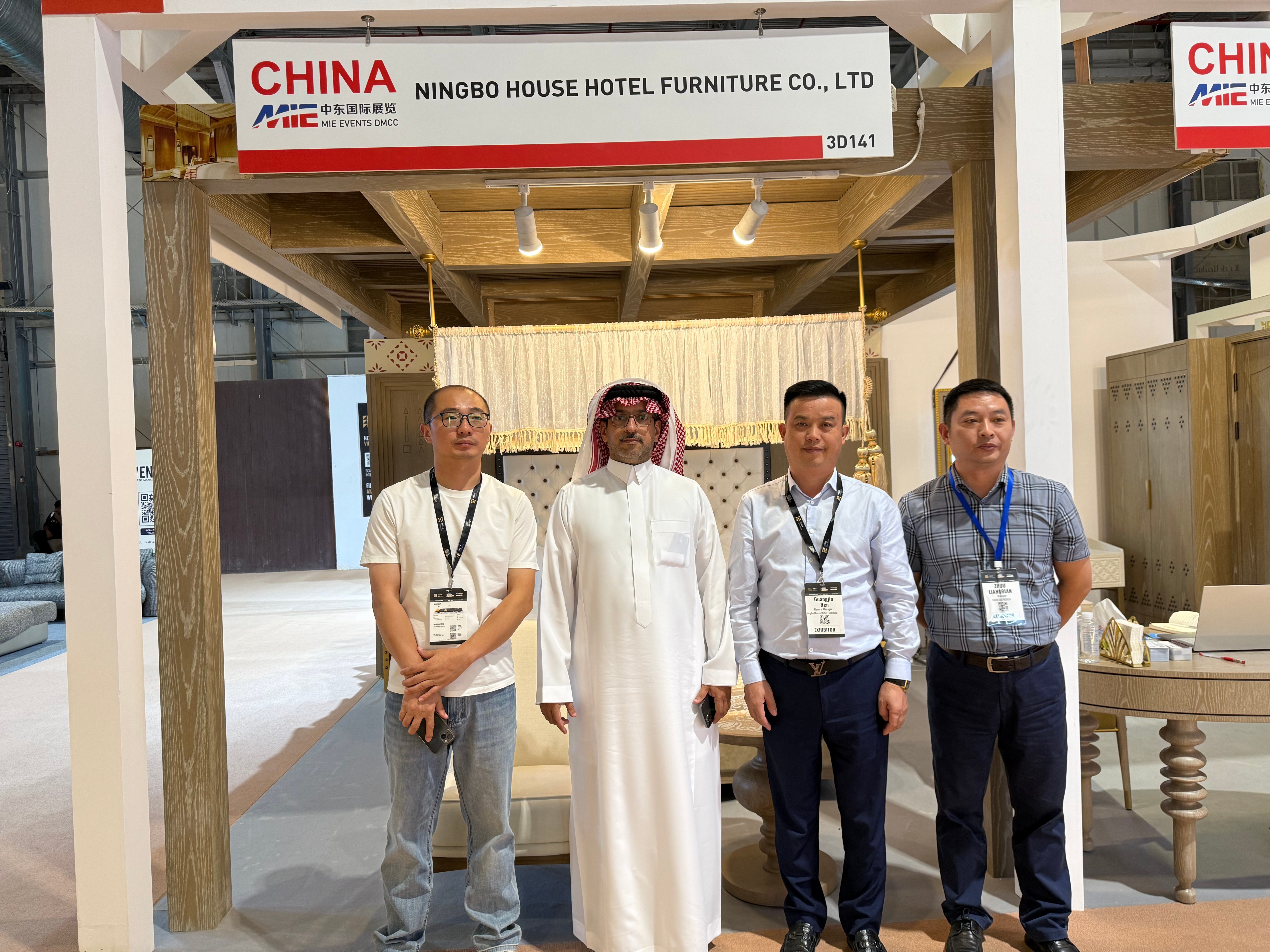
INDEX SAUDIARABIA Interior Design & furniture Exhibitin
In September of this year, we witnessed a highly anticipated industry event. Ningbo Vitahouse Wood Technology Co., Ltd. recently showcased its distinctive wood artistry and innovative technology at the INDEX Saudi Arabia Riyadh Interior Design and Furniture Exhibition, held in Riyadh, Saudi Arabia. The exhibition took place from September 9 to September 11, 2025.
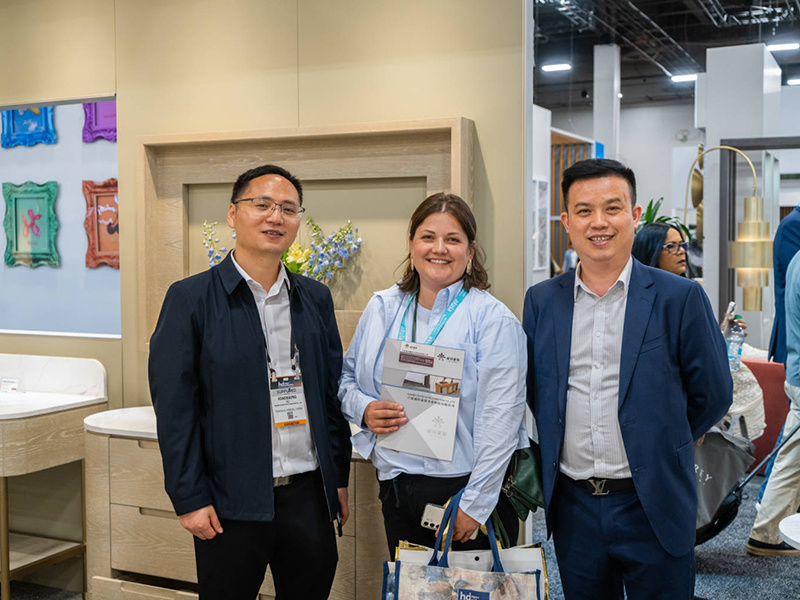
W-T'HOUSE was unveiled at HD Expo+Conference 2025
The sun is shining on the land in May, and we have ushered in a grand event that has attracted attention in the industry. Ningbo Witthaus Wood Technology Co., Ltd., with its unique wood art and innovative technology, recently participated in the HD Expo+Conference 2025 exhibition held at the Mandalay Bay Convention Center. The exhibition time is from 2025/5/6 to 2025/5/8.

Notice on Issuing Our Company's Zero Carbon Commitment
We hereby announce the company's zero carbon commitment.
Follow us
Newsletter
©2023 Ningbo W-T'HOUSE Wood Technology Co., Ltd. | Licence | SEO | Powered by www.300.cn